The evolution of gambling From ancient past to modern practices
The Origins of Gambling
The history of gambling stretches back to ancient civilizations, where various forms of betting were commonplace. Archaeological evidence suggests that as early as 3000 BC, the Chinese engaged in rudimentary gambling activities using tiles and dice. These early practices were often linked to cultural rituals, with games serving both recreational and spiritual purposes. Today, many players enjoy online pokies as part of this rich tradition.
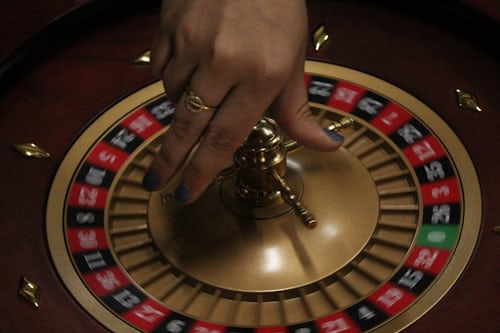
In addition to the Chinese, ancient Egyptians and Greeks also participated in gambling. The Egyptians played games of chance, and the Greeks incorporated betting into sporting events like the Olympic Games. These early forms of gambling laid the groundwork for more complex betting systems that would evolve over time.
The Rise of Betting in Ancient Rome
As gambling became ingrained in various cultures, it flourished during the Roman Empire. Romans placed bets on gladiatorial contests, chariot races, and other public spectacles. The government even taxed these betting activities, which demonstrated the lucrative nature of gambling for both players and the state.
This era also saw the introduction of more formalized betting structures, such as organized games and wagers. The Romans’ influence spread through their conquests, leading to the adoption of gambling practices in different regions, which further cemented the cultural significance of betting in society.
The Middle Ages and the Birth of Modern Gambling
The Middle Ages marked a transformative period for gambling. The emergence of card games in Europe significantly changed the gambling landscape. These games evolved from earlier pastimes and became popular among nobility and commoners alike. The first recorded instance of playing cards occurred in the 14th century, introducing new avenues for betting.
During this time, gambling houses began to appear, offering structured environments for betting. By the Renaissance, gambling had become an established pastime, with gaming houses and public lotteries gaining widespread popularity. This period laid the foundation for modern casinos and the gaming industry we recognize today.
The Modern Era of Gambling
The 20th century brought unprecedented changes to the gambling landscape, particularly with the rise of casinos and organized sports betting. Las Vegas emerged as the gambling capital of the world, attracting millions of visitors eager to try their luck. The proliferation of gaming machines and table games transformed the gambling experience into a multifaceted entertainment hub.
Moreover, the advent of online gambling in the late 1990s revolutionized the industry. Players could now engage in their favorite games from the comfort of their homes, leading to an explosion of online casinos and virtual betting platforms. This digital transformation has made gambling more accessible and diverse than ever before.

Explore the Latest Trends in Gambling
Today, gambling continues to evolve, with innovative technologies like mobile gaming and live dealer games enhancing user experiences. The rise of sports betting, particularly following regulatory changes in various regions, has created new opportunities for enthusiasts to engage with their favorite sports in a dynamic way. These trends reflect a broader shift towards a more integrated and immersive gambling experience.
To stay informed about the latest developments in the gambling world, explore platforms that provide comprehensive guides, expert reviews, and insights into responsible gaming practices. Engaging with reliable resources can enhance your understanding of the industry and help you make informed decisions as you navigate this exciting landscape.
Leave a Reply